AscendGYM: AI agents autonomously optimize Huawei Ascend kernels, draws Anthropic co-founder's attention
Shenzhen Hetao College and Huawei GTS AI team have launched AscendGYM, a joint project that lets AI agents autonomously optimize Ascend kernel code using real hardware feedback, aiming to improve efficiency of domestic computing resources for model training and inference. On November 23, Anthropic co-founder Jack Clark featured AscendGYM as the lead topic in Import AI issue 482, describing it as helping China develop its own form of RSI (Recursive Self-Improvement).
Coverage timeline
机器之心机器之心
深圳河套学院联合华为 GTS AI 团队,从垂域真实训推负载出发,探索让 Agent 自主优化昇腾底层算子,为国产算力释放更大价值。 这项研究源于 GTS 在实际业务中面临的一个挑战:如何在有限的国产算力资源下,高效开展垂域模型后训练,并以更低成本提供生产级推理服务?团队把目光投向运行模型的底层计算软件,探索让 AI Agent 自主分析性能瓶颈、修改昇腾 Kernel 代码,并通过真实硬件反馈持续优化。 11 月 23 日,Anthropic 联合创始人 Jack Clark 在其个人 AI 研究通讯《Import AI》第 482 期中,将 AscendGYM 列为开篇专题。他以 “中国研究人员利用 Kernel 优化基准改进华为芯片” 为题介绍这项工作,并用 “AscendGYM 将帮助中国发展自己的某种形式的 RSI” 概括其潜在意义,还将这项工作与国产计算底座效率提升联系起来。 图 1 Import AI 第 482 期将 AscendGYM 列为开篇专题,关注其对中国探索 RSI 路径的意义。 一项源于真实业务算力需求的工程研究,为什么会引起国际前沿 AI 研究观察者关注?它所探索的,究竟是一个 Kernel 评测工具,还是 AI 参与改进自身计算基础设施的一条新路径? 一、AI 自主优化 Kernel:释放昇腾算力潜能的新路径 AI 训练和推理的实际效率,并不只取决于芯片的理论算力,还取决于底层软件能否充分发挥硬件能力。其中,Kernel 是连接上层计算任务与 NPU 硬件执行的关键环节,其实现效率直接影响模型的训练吞吐和推理性能。 随着大模型结构和应用场景快速演进,昇腾 NPU 承载的计算负载日趋多样。同一类算子在不同模型结构、输入规模、数据类型和执行阶段下,往往呈现出不同的性能特征,需要针对具体工作负载持续优化底层实现。 传统 Kernel 优化主要依赖专业工程师完成:通过 Profiling 定位瓶颈,分析计算与访存特征,调整并行策略和代码实现,再经过编译、正确性测试和性能测量反复迭代。这一过程专业门槛高、人工投入大,也难以快速适应模型结构和业务负载的持续变化。 AI Coding Agent 的发展为这一问题提供了新的解决思路。模型已经能够理解代码、调用工具并执行多轮修改,如果进一步为其提供真实硬件执行环境和可靠的性能反馈,就有机会让 Agen
Related stories
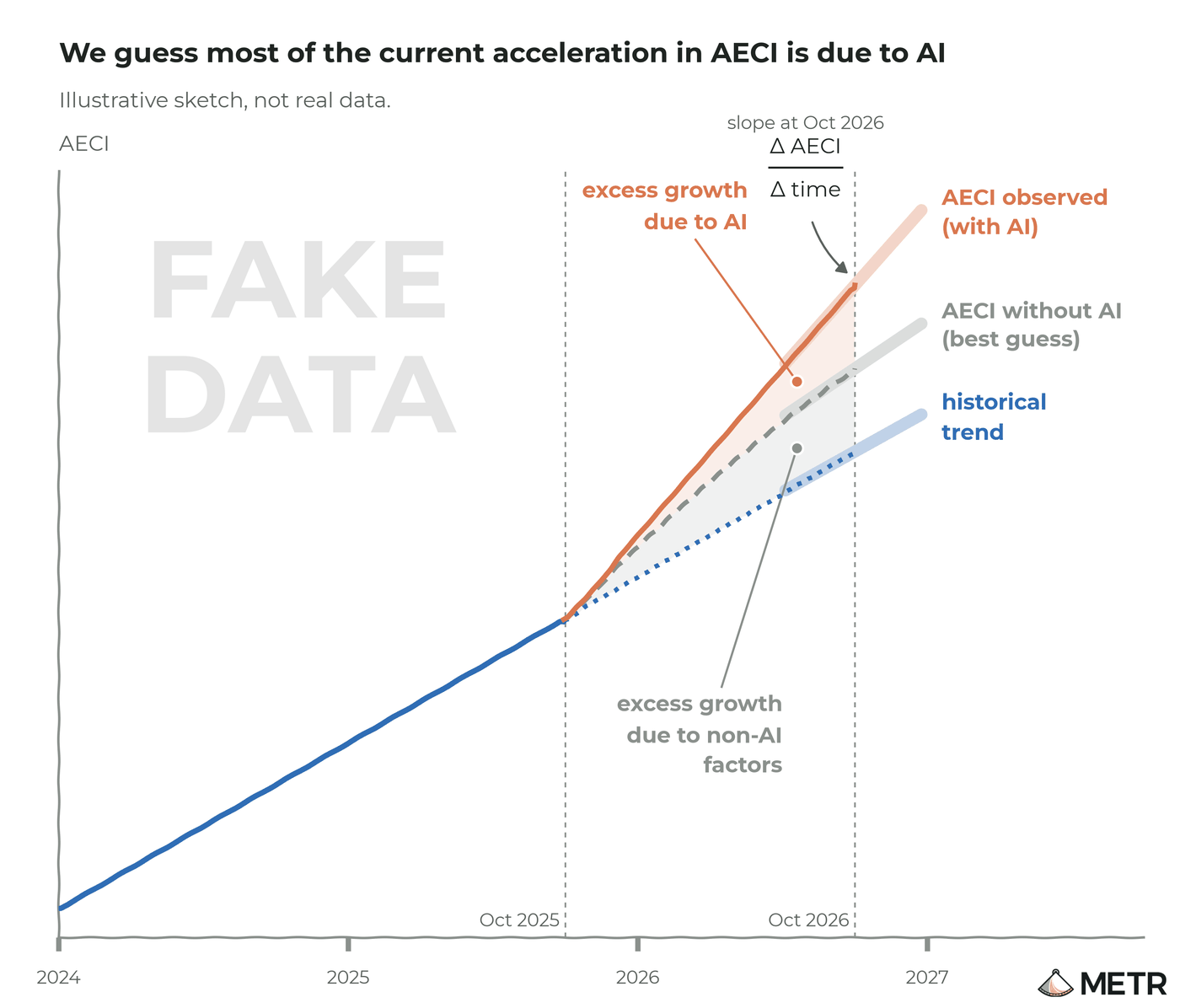
METR: Anthropic models improving twice as fast, AI use drives ~80% of acceleration
A METR report, based on an 11-week internal assessment at Anthropic, finds model capability progress roughly doubled since October 2025, with AI-assisted research driving about 80% of the acceleration. The report also reveals three unreleased internal models (Model 2, 3, 4), with the strongest exceeding Opus 5.5 by about three months of progress. Anthropic redacted much of the most informative evidence from the public version, citing confidentiality concerns.
6 reports · 5 sources47 points · 6 comments
OpenAI, Google, Microsoft, Anthropic back shared robots.txt AI opt-out standard
OpenAI, Google, Microsoft, and Anthropic announced they will adopt a new IETF standard that lets publishers opt out of AI scraping across multiple crawlers via a shared policy token in robots.txt. The token, proposed by Anthropic technical lead Kevin Kelley, allows website operators to express AI training preferences once instead of setting them per company. This move aims to simplify publisher control over AI data usage.
3 reports · 3 sources

Chinese Researchers Release AscendGYM Benchmark for Huawei NPU Kernel Optimization
Researchers at the Shenzhen Loop Area Institute have built and released AscendGYM, a kernel optimization benchmark for Huawei's Ascend NPUs. The benchmark aims to facilitate AI-driven development of custom kernels for Huawei chips, which is critical given export controls limiting Chinese access to Western semiconductors. AscendGYM evaluates the efficacy of AI-designed kernels and supports the design of new ones.
1 reports · 1 sources

Tencent AI scientist warns of AI bio harm, backs closed models
Tencent's chief AI scientist Yao Shunyu said AI models will soon be powerful enough to master biology, making it possible to do harm. He endorsed Anthropic's argument for keeping such models closed, citing safety concerns.
News updates every hour. Subscribe in your RSS reader to get new stories automatically.
Subscribe