GPT-6 Astra in ChatGPT Work generates running routes from OSM data
Simon Willison tested ChatGPT Work with GPT-6 Astra (Max) to generate 5K and 10K running routes from his home using OpenStreetMap data. The tool worked for 27 minutes and produced the requested routes as embedded visualizations and downloadable GPX and GeoJSON files, but the underlying code was not visible in the UI. Willison criticized this lack of transparency as an anti-feature, noting that after thread compaction, ChatGPT could not provide the Python code it had used.
Coverage timeline
Simon Willison
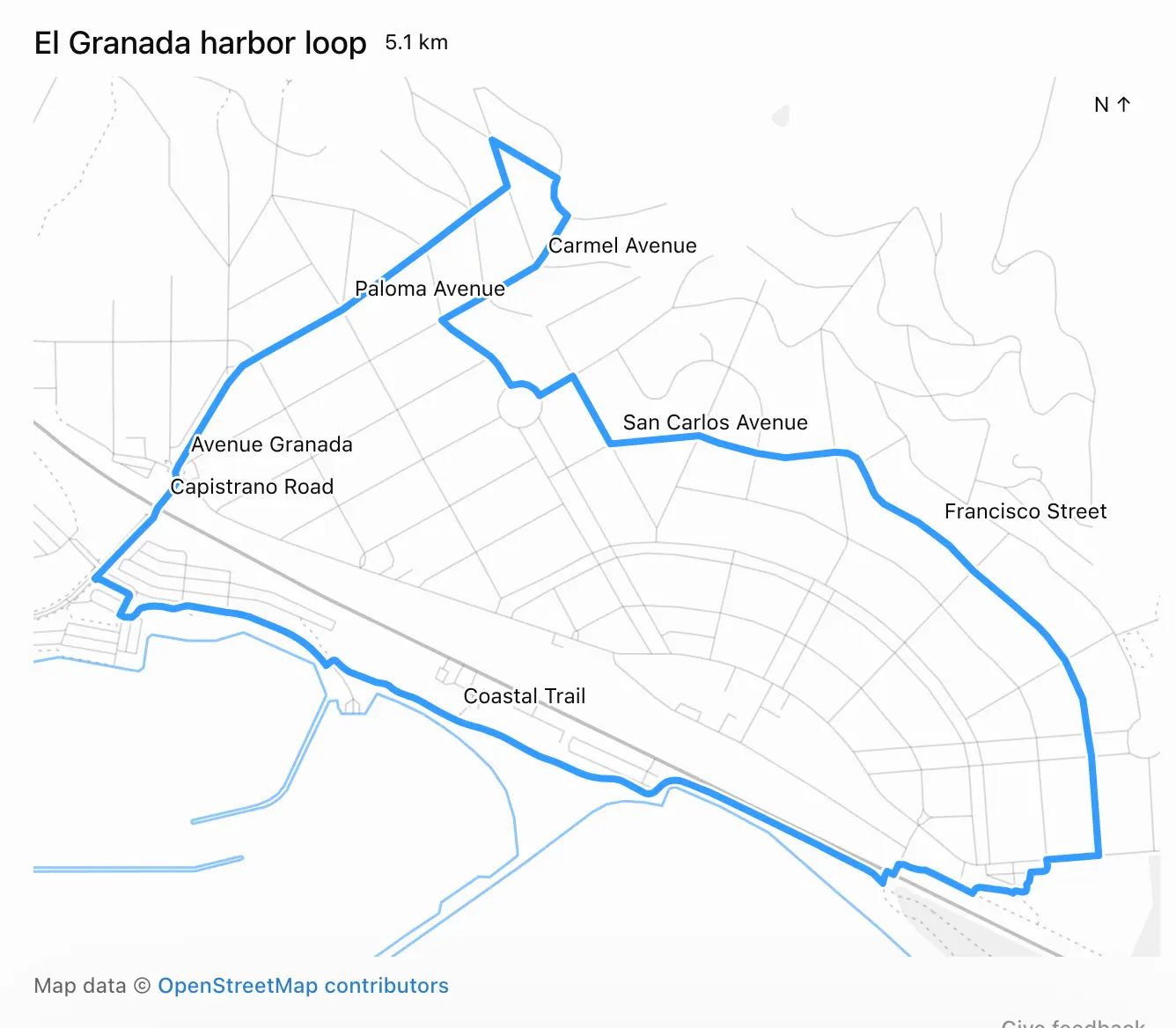
Here's a neat thing I had ChatGPT Work with GPT-6 Astra (Max) do this morning: I live at <my address>. Figure out 5K and 10K running routes from me that loop from my house. Use OSM data. It worked for 27 minutes and produced exactly what I'd asked for, as both an embedded visualization and downloadable GPX file and GeoJSON files. Here's that 5K route: When I asked it how it had created the route, it replied: I used Nominatim to locate the address and Overpass to download local OpenStreetMap roads and trails , then calculated the loops locally. Frustratingly, the actual code it ran and exact details of what it did weren't visible to me in the ChatGPT UI. I see this lack of transparency is an anti-feature. By the time I thought to ask for a copy of the Python code it had used, ChatGPT was unable to provide it. This appears to be because the thread had been compacted. I think any LLM system that uses compaction needs to both preserve the pre-compacted text and make that text available via
Related stories
Qwen3.8 27B Addition-in-Words Test Replicated on Local Hardware
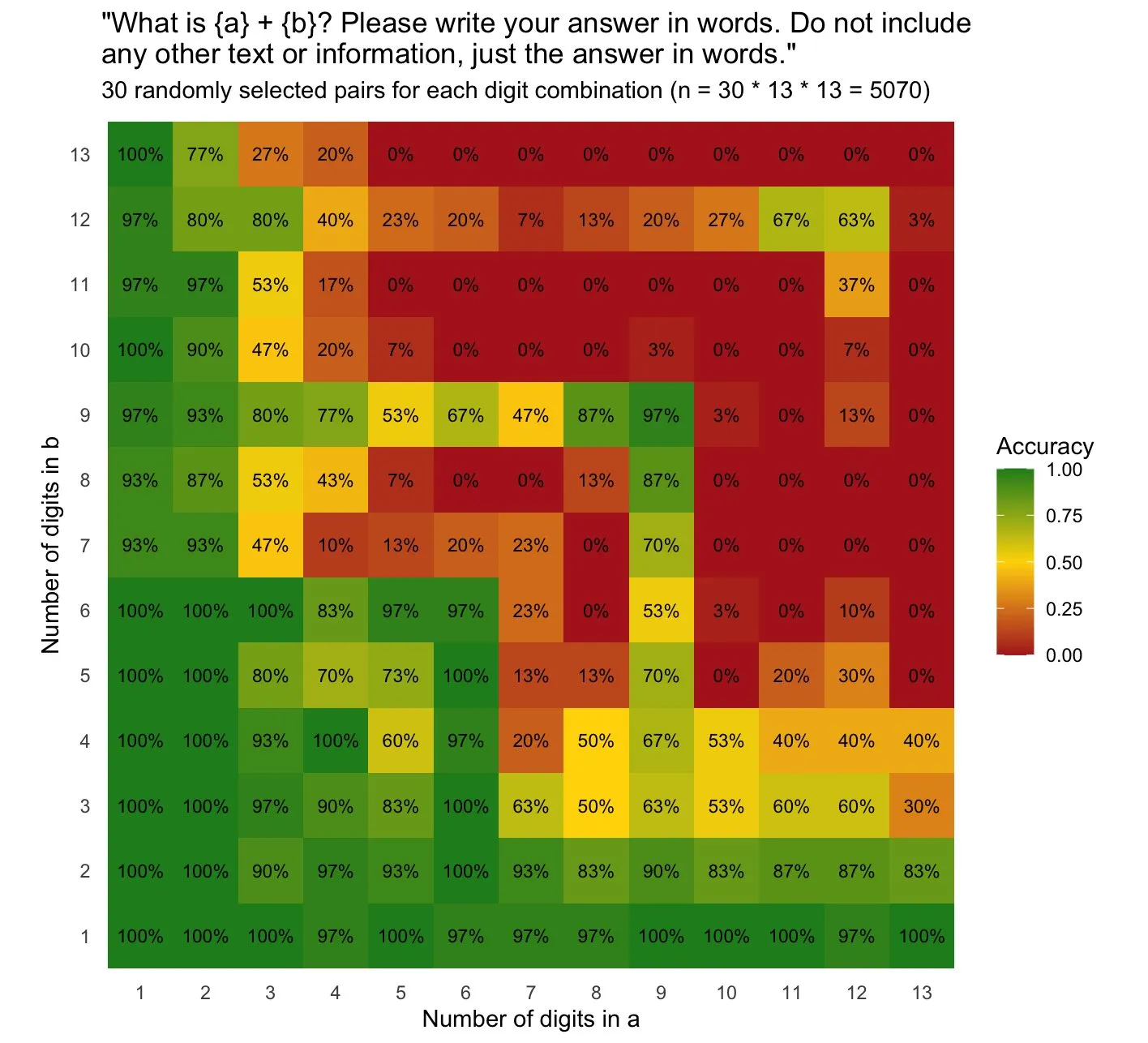
Simon Willison replicated Colin Frasier's GPT-4o addition-in-words experiment using Qwen3.8-27B on a DGX Spark, with and without reasoning enabled. With reasoning disabled, 30 attempts per combination were run; with reasoning enabled, only one attempt per pair due to longer processing time.
OpenAI launches GPT-6 Astra, claims world's best computer use model
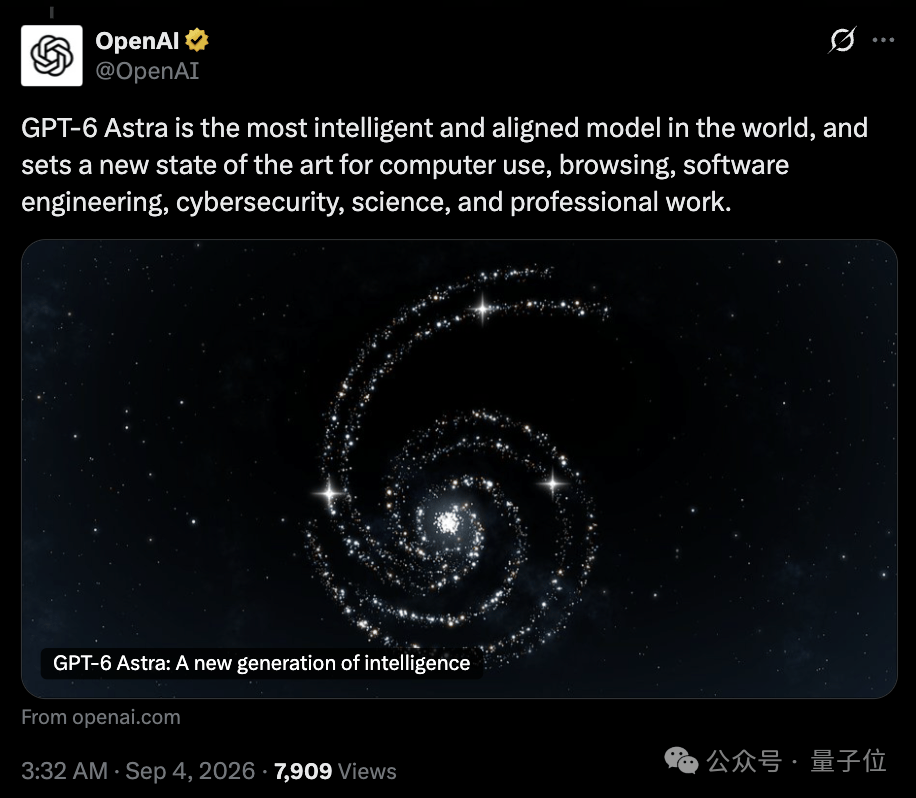
OpenAI announced GPT-6 Astra, its next-generation model focused on computer and browser use, claiming it is the world's most intelligent and aligned model. The company stated Astra was built on its largest training run using over 100,000 GPUs at the Stargate facility, and in tests it outperformed humans in tasks like booking DMV appointments and searching job listings. OpenAI president Greg Brockman declared 'Welcome to the AGI era,' though the model's capabilities and limitations are still being assessed by developers.
23 reports · 9 sources515 points · 162 comments
OpenAI's ChatGPT Work: Cloud and Desktop Versions Explained
OpenAI announced ChatGPT Work on July 9th, offering two versions: a cloud-based service accessible via chatgpt.com and mobile apps, and a desktop app (formerly Codex) that can access files and run programs locally. The desktop app bundles a full Python, Node.js, LibreOffice, and other native binaries in its cache. Currently, ChatGPT Work is available only to subscribers paying $20/month or more.

OpenAI rolls out GPT-6 Astra broadly, priced at $10/$50 per million tokens
OpenAI began rolling out GPT-6 Astra on September 3, 2026, initially to a limited set of organizations and Daybreak cybersecurity platform customers, then expanding to all Pro, Enterprise, and Business Premium users and the API by September 5. The model is priced at $10 per million input tokens and $50 per million output tokens, matching Anthropic's Claude Fable 5.1, and scores 99.9% on ARC-AGI 3 with a custom harness. CEO Sam Altman apologized for the 'messy' initial rollout that locked out some paying users, while the company touted the model as a 'generational leap' and the start of 'the AGI era.'
4 reports · 4 sources

News updates every hour. Subscribe in your RSS reader to get new stories automatically.
Subscribe