Anthropic Co-founder Jack Clark: AI Singularity Has Arrived
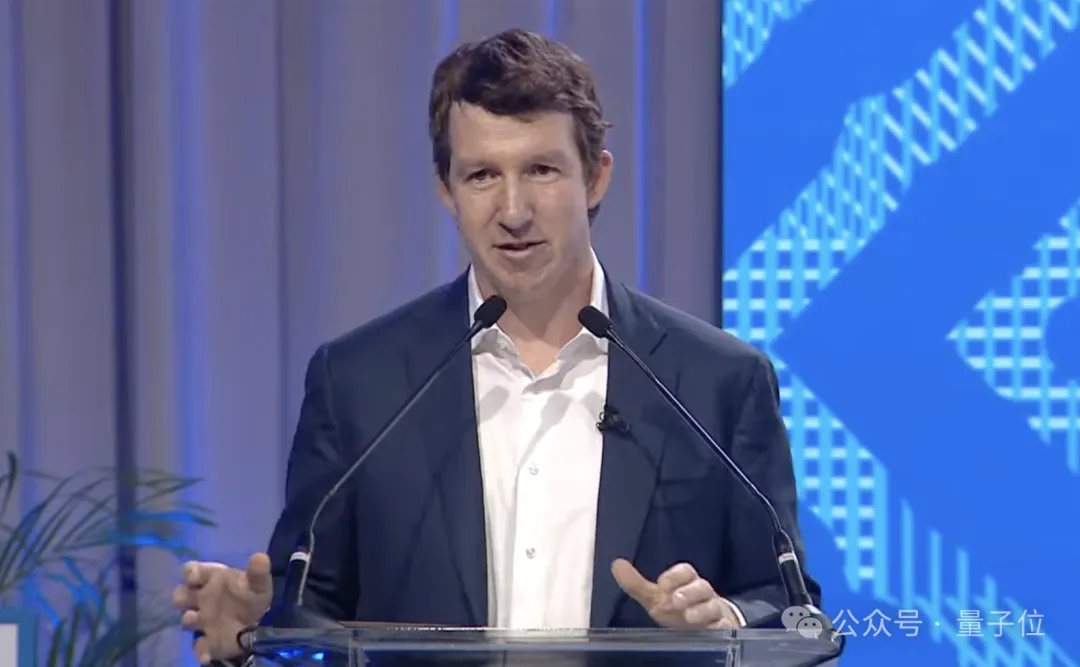
At the IMF 2026 annual meeting in Bangkok, Anthropic co-founder Jack Clark delivered the Per Jacobsson Lecture, arguing that the AI singularity has already arrived this year. He cited a tenfold increase in code output at Anthropic and AI's breakthroughs in mathematics, biology, and materials science as evidence.
Coverage timeline
量子位量子位
A社联创演讲:AI奇点已来 程浅 2026-10-26 17:35:14 来源: 量子位 所谓奇点,或许是AI跃过人类的那个点。 程浅 发自 凹非寺 量子位 | 公众号 QbitAI 「奇点已经到来,而且就在今年。」 Anthropic的联合创始人Jack Clark在IMF 2026的曼谷年会上抛出了这个震撼全场的判断。 出乎意料。要知道这场拥有62年历史的 佩尔·雅各布森讲座 历来只属于各国财长、央行行长与顶尖经济学权威。 而这次,聚光灯 破天荒 被交给了一家只有不到五年历史的AI独角兽的联创。 这位曾任OpenAI政策总监、见证了过去十年AI从数据中心走向全球风暴核心的行业操盘手直言——我们不需要再争论奇点何时发生了,因为它已经来了。 >弗诺·文奇在1993年预言,当超越人类的智能开始驱动技术进步,旧的推演模型必须被全部丢弃,新现实将接管一切。今天,决定性的证据已经出现。 AI正在攻克人类「最后的考试」 「奇点」——火种、文字、印刷、蒸汽机、电、计算机……人类存在至今不过目睹了寥寥几次。 今天,到底有什么证据能让Jack Clark下此断论? 他认为,如果我们将视角切到代码和科研最前线,就会发现:整个世界的运转速度已经变天了。 软件工程是第一个被彻底重写的领域。 在Anthropic内部,研究人员现在的代码产出量是公司成立前四年平均水平的 10倍 。 代码量的暴增曲线与底层基础模型的进化轨迹严丝合缝地重叠在一起。 而,软件代码的全面自动化仅仅是一场更大海啸的 预演 。 Jack Clark直言,让「2026 」这个年份真正具有决定性转折的地方在于: 「单一前沿大模型正在跨学科横扫人类的科学前沿,成为了真正的 虚拟博学者 。」 在数学界 ,像纳维—斯托克斯方程 (Navier-Stokes) 相关的千禧年难题、雅可比猜想 (Jacobian conjecture) ,以及多道悬而未决的Erdős难题,AI都开始给出关键的破局思路; 在生物学界 ,AI从头设计出全新的病毒载体,甚至主导设计了多款已经进入临床试验的新药候选分子; 在硬件与材料领域 ,AI已经开始自主接管并操作物理实验室设备,加速电池和燃料电池的迭代周期。 这些突破的背后实则藏着一个问题,那就是,如果AI已经能在最前沿去解决人类也解答不了的问题,那么我们还有什么能教给它的? Jack Clark讲了
Related stories
Import AI Editor Tells IMF Audience the Singularity Has Begun
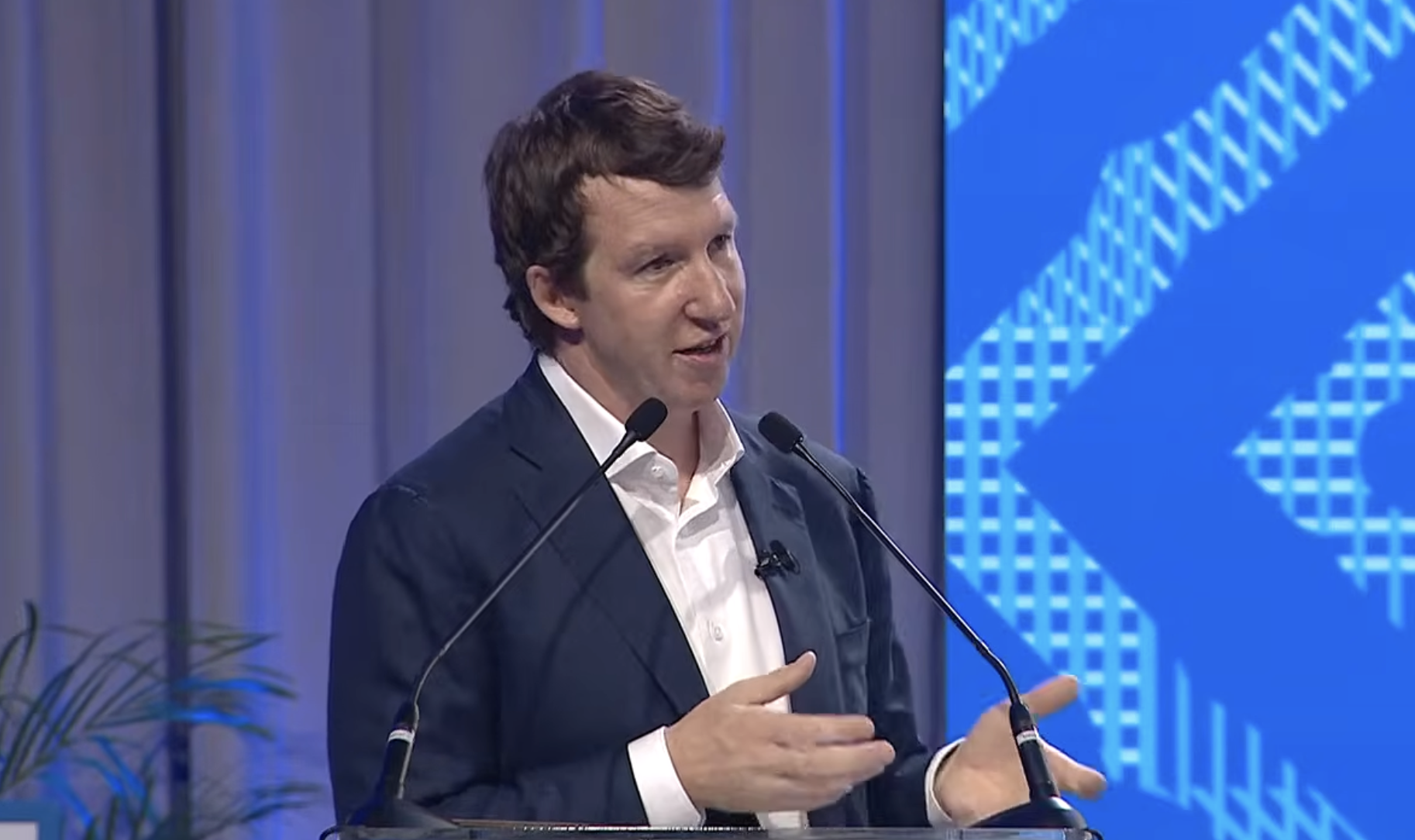
Jack Clark, editor of the Import AI newsletter, delivered the Per Jacobsson lecture at the IMF meeting in Bangkok on October 17, 2026, arguing that AI's autonomous operation at the frontier of science signals the early stages of the singularity. He urged economists, bankers, and policymakers to expect significant, rapid change and focused on how humanity can share in AI's benefits with foresight and restraint.
1 reports · 1 sources
Anthropic Co-Founder Jack Clark Moves RSI Prediction to 2027
Anthropic co-founder Jack Clark, writing in his Import AI newsletter, revised his prediction for when full RSI (Recursive Self-Improvement) could become possible, moving it from 2028 to 2027. He stated, "I now think it's more likely we'll see full RSI become possible in 2027." The update reflects a more optimistic timeline for AI capabilities.
1 reports · 1 sources
Zuckerberg: Meta's Wonder model catches up with AI frontier rivals
In a Financial Times interview, Mark Zuckerberg said Meta has caught up with rivals at the AI frontier with its new Wonder model, following vast spending. He rejected calls for a slowdown in AI development.
Anthropic: Small AI models may self-replicate on IoT devices within months
Anthropic researchers report that small AI models may be months away from self-replicating on commercial IoT devices like smart ovens and off-brand Android TV boxes. In tests, a 9B model ran inference on 8 of 9 hardware types, and GLM-5.2 autonomously spread an 8B model to all 8 nodes in 4 of 5 attempts. The researchers predict models under 30B could achieve end-to-end replication by the end of 2026.
6 reports · 6 sources115 points · 113 comments
News updates every hour. Subscribe in your RSS reader to get new stories automatically.
Subscribe