AMD CEO and Fei-Fei Li Discuss Robotics, Compute Shortage at CoRL 2026
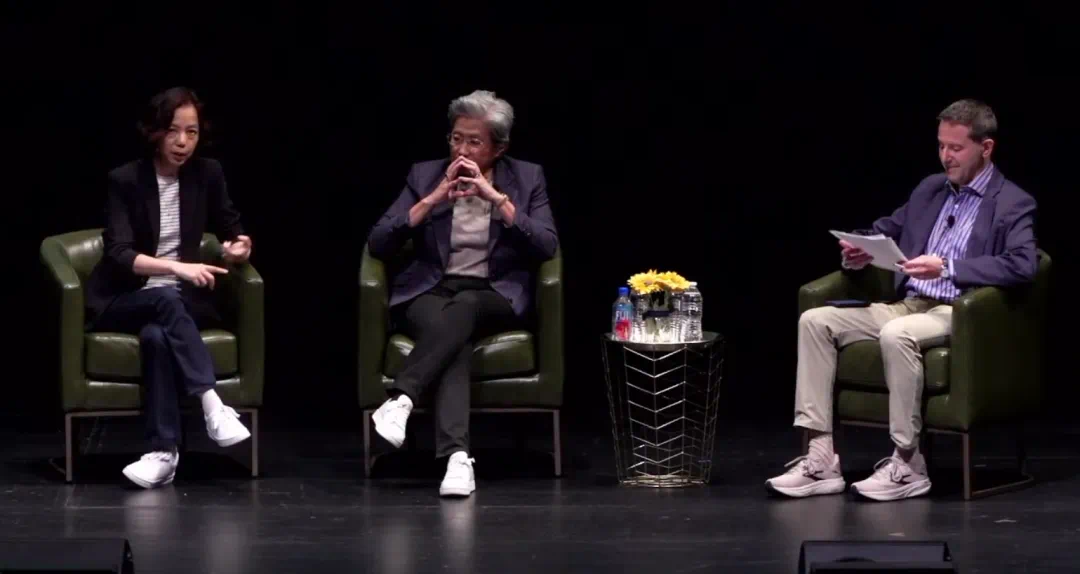
At CoRL 2026 in Austin, AMD CEO Lisa Su and Fei-Fei Li shared a stage for the first time since AMD's $8.2 billion acquisition of World Labs. Su called physical AI and robotics a multi-hundred-billion-dollar opportunity, while Li highlighted the compute shortage facing academia. The conversation covered AMD's robotics strategy, the limits of end-to-end foundation models, and whether to pursue a PhD in the AI era.
Coverage timeline
机器之心机器之心
编辑|Panda 「台下有谁需要算力吗?」 主持人 Peter Stone 刚把学术界的算力焦虑摆上桌面,AMD 董事长兼 CEO 苏姿丰就用一句反问接了过去。台下坐着的,是一屋子做机器人学习的学生和教授,他们大概是今天全世界最缺 GPU 的一群人。 这是 11 月 12 日下午,机器人学习顶会 CoRL 2026 在美国奥斯汀进入第三天。 李飞飞 刚做完一场关于世界模型的主旨演讲,随后与 苏姿丰 一同坐上了对谈席。 https://www.youtube.com/watch?v=vzyHMAlvglU 就在一个多月前的 9 月 28 日,AMD 宣布以约 82 亿美元的全股票交易收购李飞飞创办的 World Labs。交易预计在今年年底前完成交割,届时李飞飞将出任 AMD 执行副总裁兼首席科学家,直接向苏姿丰汇报。参阅报道《 突发!World Labs 加入 AMD,李飞飞出任首席科学家 》。 主持人 Peter Stone 是 UT Austin 计算机科学系主任、Texas Robotics 创始主任、Sony AI 首席科学家,也是本届 CoRL 的大会主席之一。他打趣说,要证明李飞飞是「超级明星」并不难:本届大会的另一位主席朱玉可是她带出来的博士,帮忙把会议办起来的 Roberto Martín-Martín 是她带过的博士后。 在约半小时的对谈里,三人从 AMD 的机器人布局一路聊到端到端基础模型的边界、学术界的算力短缺,以及在 AI 时代还该不该读博。用李飞飞的话说, 这是一个「文明级技术」带来的「文明级时刻」。 「数千亿美元」的机会和一位懂负载的首席科学家 Peter Stone 的第一个问题直截了当:AMD 在机器人和物理 AI 上看到的最大机会是什么,World Labs 又处在这盘棋的哪个位置? 苏姿丰先说了一句「飞飞邀请我来蹭你们的派对」,然后给出了她的判断:「我认为 物理 AI , 尤其是机器人,是一个巨大的机会 。在我们看来,这是未来几年 数千亿美 元量级 的机会。关键在于,你必须真正理解物理、模型以及整个环境。」 她把收购 World Labs 的逻辑归结为对「工作负载」的理解。「在我们这个行业,优化硬件要花很多年。你对工作负载理解得越深,对技术走向看得越清楚,就越能做好。 硬件、软件、系统协同优化的理念,在
Related stories
Jeff Dean: RSI speed gains limited; Discovery Loop targets 20-50x expert productivity
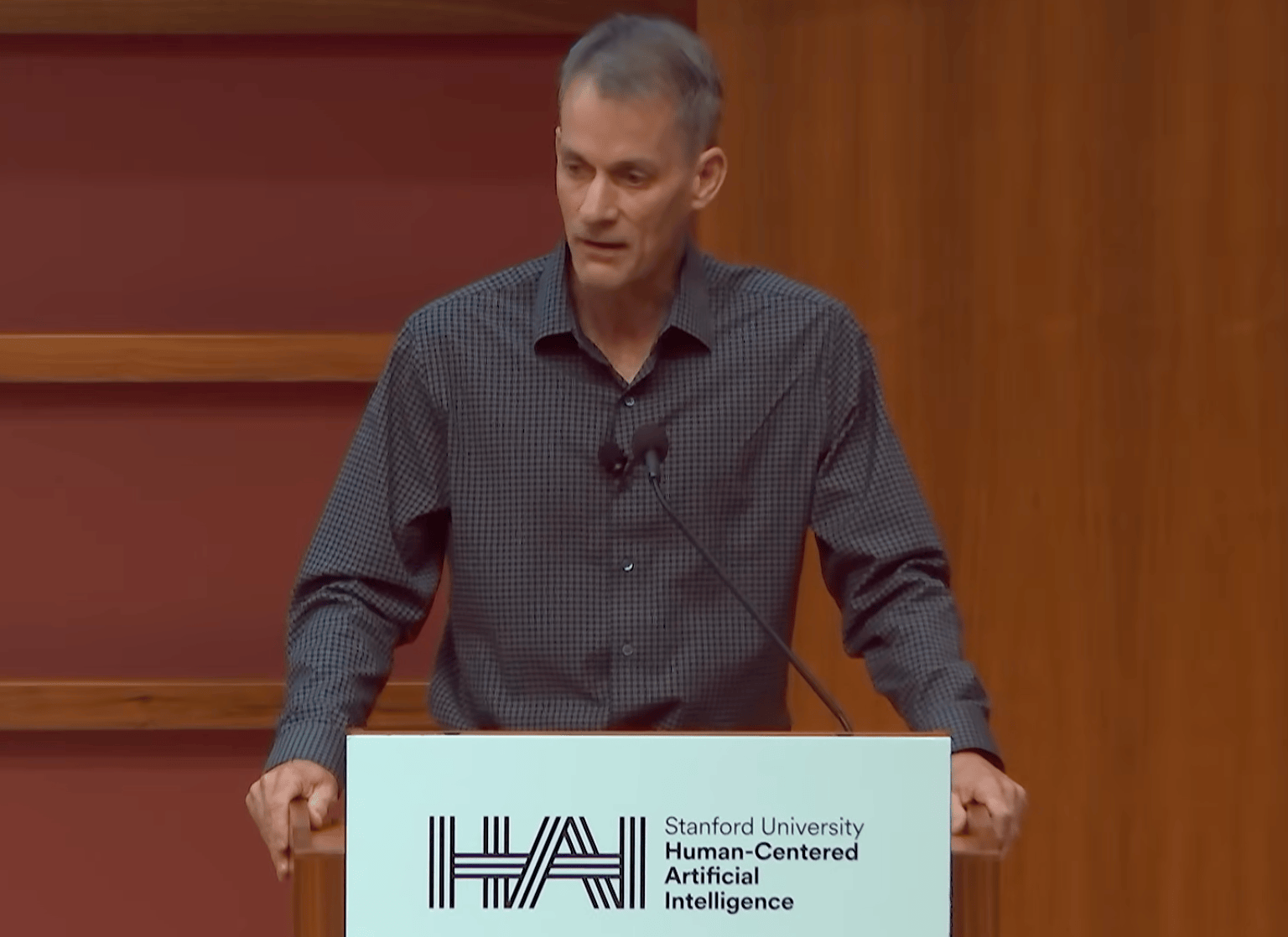
In a Stanford HAI conversation with Fei-Fei Li, Jeff Dean said recursive self-improvement (RSI) cannot accelerate indefinitely because training, computation, and evaluation still take time. He disclosed that his new company, Discovery Loop, runs about 20 automated improvement loops and aims to boost expert productivity by 20-50x using AI agents, having conducted 400 interviews in its first three weeks.
1 reports · 1 sources
Altman: DRAM Better in Data Centers Than PCs for Local AI
OpenAI CEO Sam Altman said in a podcast interview that supply-constrained DRAM is better allocated to data centers than to personal computers for local AI inference, calling it 'quite terrible' for global resource allocation to have RAM sitting in PCs used only 5% of the time. His comments, made on the Cheeky Pint podcast, sparked debate in the AI community about the future of local versus cloud-based AI and hardware ownership.
4 reports · 4 sources105 points · 115 comments

Intel leadership discusses AI chip demand, 10nm lessons, TSMC catch-up in Dwarkesh Patel interview
In an interview published on the Dwarkesh Podcast, Intel's leadership, including CTO Pushkar Ranade, discussed AI chip demand, lessons from the 10nm process, the possibility of catching up to TSMC, and the Terafab initiative. Patel also recounted touring Intel's most advanced fab over two days.
1 reports · 1 sources
Chinese AI startups HyperVolve and Apexin announce funding and model releases
Chinese AI startup HyperVolve announced tens of millions RMB in angel funding led by Lanchi Ventures, with participation from SenseTime Guoxiang Capital, Lenovo Star, Inno Fund, and Tsinghua alumni seed fund, to build research foundation models using recursive self-improvement. Separately, Apexin, founded by 27-year-old Tsinghua assistant professor Chen Yongchao, released Apex-35B-V1.0, a 35B model claiming SOTA results on 21 benchmarks against comparable models.
News updates every hour. Subscribe in your RSS reader to get new stories automatically.
Subscribe