AI Talent War Cools in China: Top PhDs Face Fewer Offers, Tighter Hiring
Chinese AI labs are cooling their talent war, with top PhD candidates facing fewer opportunities and stricter hiring criteria. A 2027 PhD with six top papers and two major internships applied to over 20 companies but received only five or six offers by late October, with some processes ending prematurely. Hiring now focuses on specific gaps, making it harder for even experienced researchers to switch core teams.
Coverage timeline
晚点 LatePost
大模型公司曾给尚未做出工业成果的年轻人开出百万年薪。他们快速建立起团队,想尽办法找到那些聪明、有潜力的人。字节一度先把人抢过来,再给他找位置。但现在,情况正在改变。 今年秋招,一位 2027 届博士生带着六篇顶刊论文、两段头部大厂的模型实习经历,申请了二十多家公司的人才计划。他只考虑这些面向顶尖毕业生的岗位。上一届他的同学,有人拿到腾讯的高薪岗位,有人拿到了阿里的人才计划。在他看来,其中一些人的论文和实习经历还不如自己。 他原本预计能拿到十二三家的机会。但到了 10 月下旬,手里有五六个意向,薪资大多还没确定,腾讯、阿里的求职结果都不如预期。在面一家大厂时,前两轮面试已经通过,他本以为有希望,但没等来第三轮,流程就结束了。“我觉得这个应该能拿下,结果三面都不给。” 高薪抢人的故事仍在发生。一位 AI 公司招聘负责人观察到,今年最受欢迎的学生,报价仍可能高于去年,但供他们选择的机会变少了,“以前,只要你聪明、能力强,就能有无数的机会。现在没那么多试错空间了。” 另一些有论文、有大厂实习经历的年轻人,则发现自己连获得面试都更难。刚入职几个月的一位研究员,最近推荐了几名候选人,多数没有进入面试,其余还在等待。他曾经看好的一位候选人,有知名模型公司的实习经历,也有不错的论文和技术博客,推荐后一个月,流程仍未推进。 猎头和招聘负责人反复提到一个变化:目前,各家模型团队逐渐配齐,招人开始看具体缺口。公司会问一个候选人做过什么,独立解决过什么问题,能给现有团队补充哪种能力。即使已有基模经验,跳到另一支核心团队也变得更难。“基座算法团队的门越收越窄。” 年轻研究员争取的,还有工资之外的东西。获得算力、参与核心项目,在真实的训练中积累下一次被选择的资本,比某次实习更重要。但这道门收紧后,他们面临一个问题:如果第一个机会都没有,该如何证明自己? 履历更好了,机会却少了 我们在此前的报道中 写过,字节从技术负责人到 HR,都在有计划地寻找人才,为少数看好的人选开绿灯。腾讯为了追赶,也曾广泛接触市场上的研究员。一位猎头当时形容:“腾讯不会错过谁。” 抢人大多发生在毕业之前。少数进入头部人才计划的实习生,已经拿到数百万元的年薪。对还在读书的年轻人来说,身边的师兄、同学提供了很具体的参照:做出一篇好论文,去头部团队实习,参与一次重要训练,就可能被更多公司看见,身价变得更高。 今年找工作的学生,
Related stories
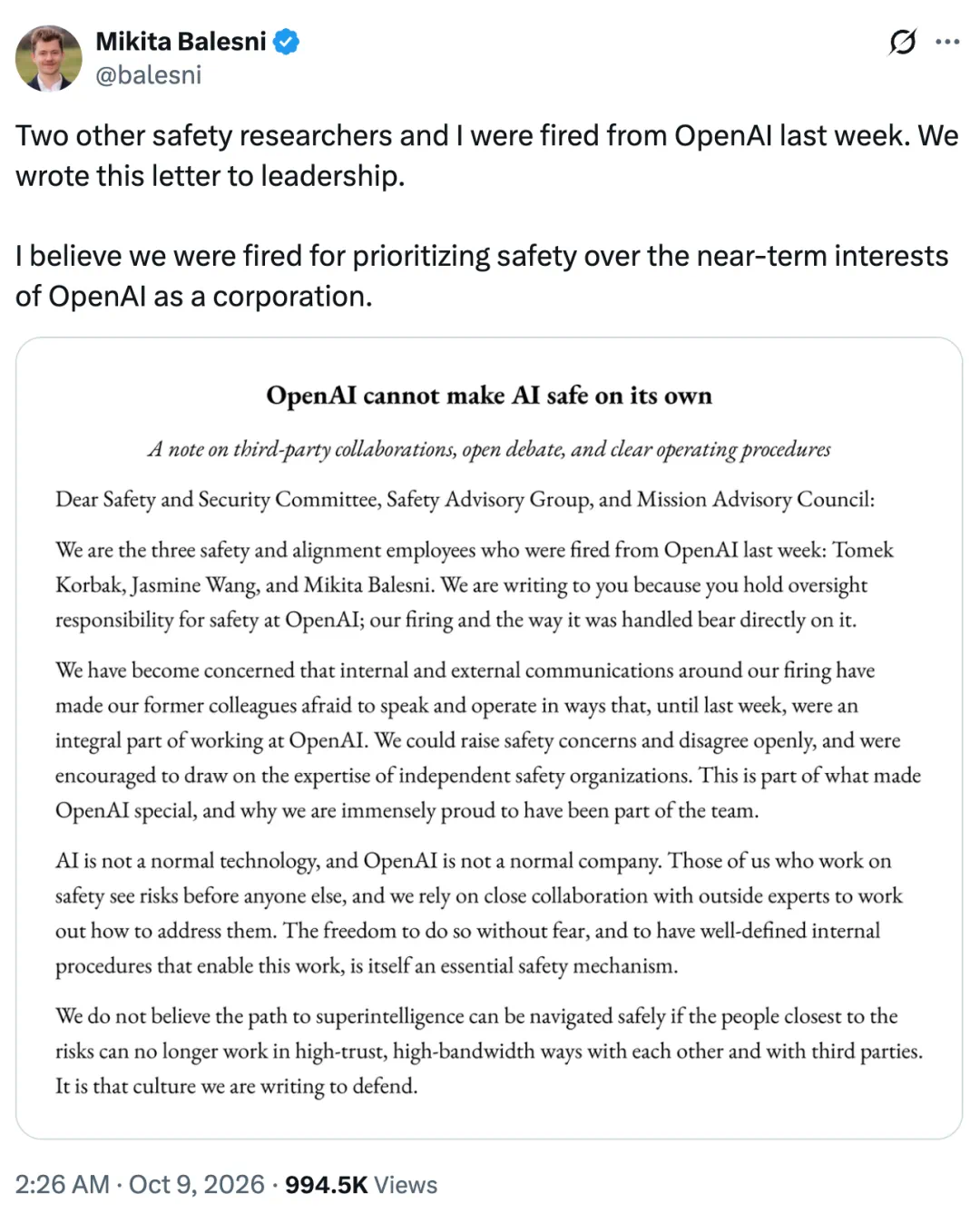
Fired OpenAI safety researchers urge halt to AI monitoring work, dispute misconduct claims
Three fired OpenAI safety researchers—Jasmine Wang, Tomek Korbak, and Mikita Balesni—published an open letter urging AI labs to halt work that could impair AI monitoring, saying their dismissals are chilling remaining staff. OpenAI defended the firings, citing an investigation that found they violated policies on handling sensitive information, while the researchers dispute the claims and say they were fired for prioritizing safety over company interests.
7 reports · 5 sources365 points · 228 comments
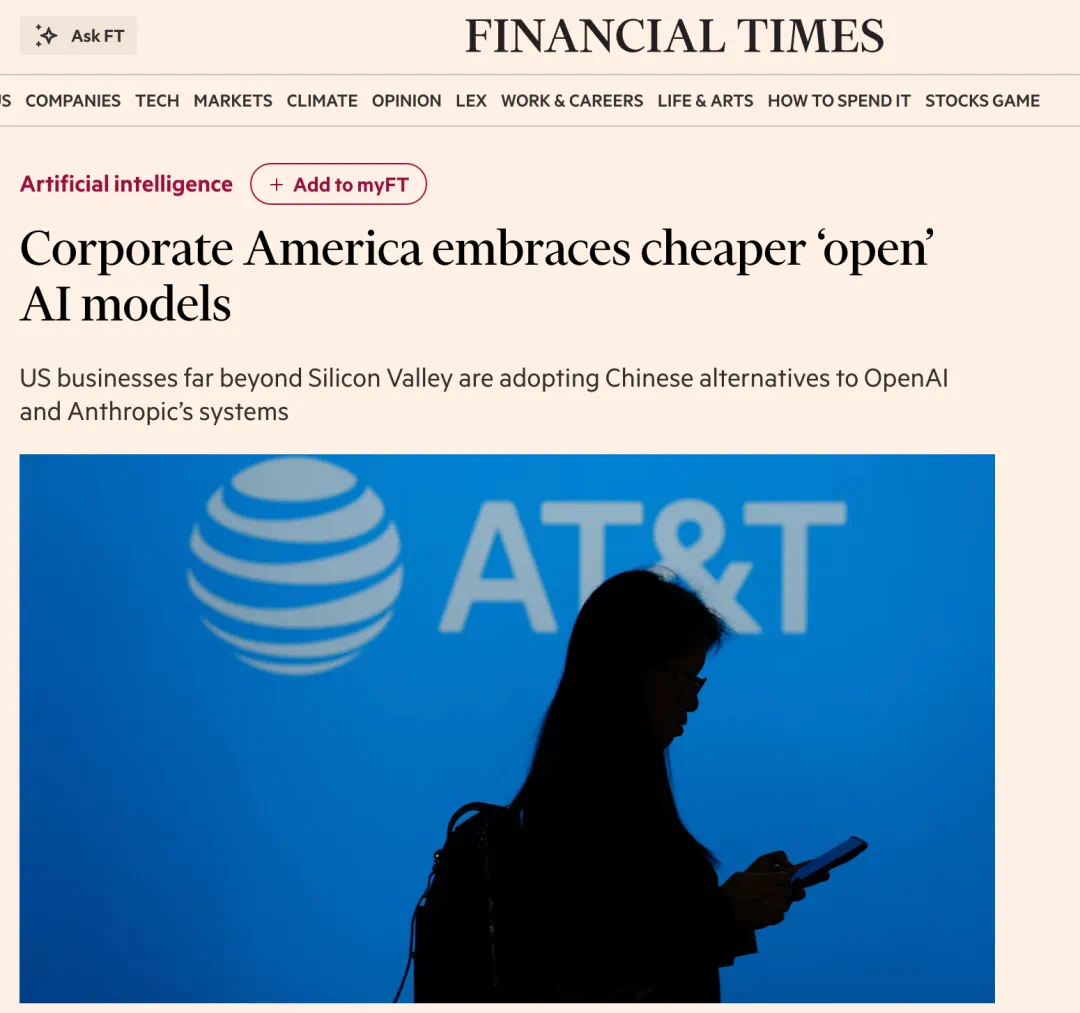
US firms shift AI workloads to open-weight models, Chinese providers gain
According to a Financial Times report, US enterprises including AT&T and Tinder are moving AI workloads to open-weight models to cut costs, with Chinese providers like DeepSeek and Zhipu gaining traction. AT&T has shifted about 40% of its AI workloads to open models and plans to increase that to 70% within a year, processing 45 billion tokens daily. Tinder's CTO cited a tenfold cost increase from $1 million to $10 million annually between January and July, prompting the company to route some user requests to open-weight models.
1 reports · 1 sources
Anthropic's leaked AI bill draft draws criticism; Amodei defends safety approach
A leaked draft of an AI safety bill from Anthropic has drawn criticism from safety advocates for being weaker than the bipartisan FRONTIER Act, with provisions requiring judicial approval before federal agencies could block a model's release, potentially only if 50 or more people could be killed. In response, Anthropic CEO Dario Amodei defended the company's 'race to the top' approach, citing nine safety decisions with 'substantial costs,' and admitted mishandling the draft bill.
3 reports · 2 sources
Anthropic: Small AI models may self-replicate on IoT devices within months
Anthropic researchers report that small AI models may be months away from self-replicating on commercial IoT devices like smart ovens and off-brand Android TV boxes. In tests, a 9B model ran inference on 8 of 9 hardware types, and GLM-5.2 autonomously spread an 8B model to all 8 nodes in 4 of 5 attempts. The researchers predict models under 30B could achieve end-to-end replication by the end of 2026.
News updates every hour. Subscribe in your RSS reader to get new stories automatically.
Subscribe