US firms shift AI workloads to open-weight models, Chinese providers gain
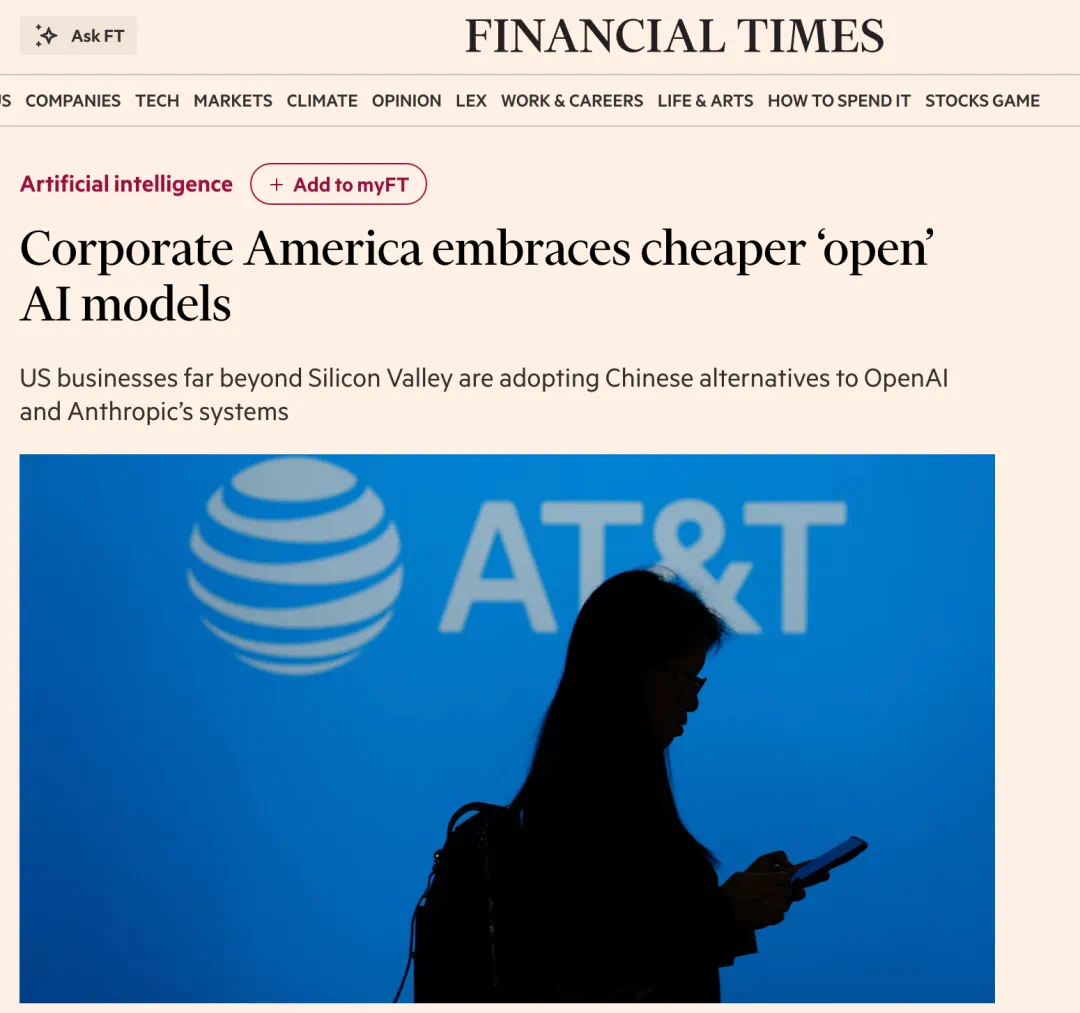
According to a Financial Times report, US enterprises including AT&T and Tinder are moving AI workloads to open-weight models to cut costs, with Chinese providers like DeepSeek and Zhipu gaining traction. AT&T has shifted about 40% of its AI workloads to open models and plans to increase that to 70% within a year, processing 45 billion tokens daily. Tinder's CTO cited a tenfold cost increase from $1 million to $10 million annually between January and July, prompting the company to route some user requests to open-weight models.
Coverage timeline
机器之心机器之心
编辑|Red Panda 企业AI进入一个越来越细的模型分流阶段。中国的开放模型正在吃下美国企业的AI降本红利。 OpenAI、Anthropic 开始被客户们嫌贵了。 不只是硅谷创业公司,连 AT&T 这样的电信巨头也把大约 40% 的 AI 工作负载 放到了开放模型上,还准备在未来一年进一步提高到 70% 。 这也不难理解——AT&T 每天处理的 Token 数量已经达到 450 亿 。到了这个规模,模型每百万 Token 便宜一点,最后反映到财务报表上,都可能是一笔相当可观的数字。 于是乎,一批原本主要调用 OpenAI、Anthropic 前沿模型的美国企业,开始把越来越多的任务迁移到开放权重模型上。这里甚至出现了一个有意思的局面: 美国企业正在越来越多地使用中国 AI 公司提供的开放模型。 据《金融时报》报道,今年以来,企业对开放模型的讨论和实际调用量都出现明显增长,而当前开放权重模型市场里,最活跃的一批玩家正来自中国。 DeepSeek、智谱等公司的名字,也开始出现在美国企业重新计算 AI 成本的这张账单里。 一年 100 万美元,半年后变成 1000 万美元 企业为什么开始认真看开放模型?一个数字就能说明问题。 Tinder CTO Vinay Kuruvila 透露,今年 1 月,公司按照当时的 AI 使用规模估算,全年支出大约是 100 万美元 。到了 7 月,这个数字已经变成了: 1000 万美元/年。 半年,涨了 10 倍。Kuruvila 的态度很明了: 我不想再看到一次 10 倍增长。 现在,Tinder 已经开始把一部分来自普通用户的请求,转给开放权重模型处理。因为,对于很多企业任务来说,真正的问题已经逐渐从哪个模型最聪明,变成了: 这个任务到底值不值得调用最贵的模型? Kuruvila 认为,目前 OpenAI Astra 和 Anthropic Claude Fable 这样的前沿模型,对于 Tinder 约 90% 的任务来说,能力已经足够。 这也意味着,一旦开放模型进一步追近,企业继续为这部分能力支付前沿模型溢价的必要性就会下降。 换句话说,企业 AI 正在进入一个越来越细的 模型分流 阶段。最难的任务继续交给最强模型。大量重复、明确、容错边界清晰的任务,开始流向更便宜的模型。 一天 450 亿 Token,40% 已经交给开放模
Related stories
Study: Grok AI favors Republicans, GPT favors Democrats in 90% of races
A new study analyzing nearly 500 election races found that Grok's AI model overwhelmingly recommends Republican candidates, while OpenAI's GPT models favor Democratic candidates. The two AI systems disagreed in more than 90% of the races examined.
1 reports · 1 sources
Chinese State Media: DeepSeek, MiniMax Approved to Deploy AI Models Overseas
Chinese state media reported that DeepSeek and MiniMax completed registration and won approval to open-source and deploy AI models overseas, under proposed export controls. This marks a wave of homegrown AI technologies that Beijing is enabling to expand internationally.
1 reports · 1 sources
AI Talent War Cools in China: Top PhDs Face Fewer Offers, Tighter Hiring
Chinese AI labs are cooling their talent war, with top PhD candidates facing fewer opportunities and stricter hiring criteria. A 2027 PhD with six top papers and two major internships applied to over 20 companies but received only five or six offers by late October, with some processes ending prematurely. Hiring now focuses on specific gaps, making it harder for even experienced researchers to switch core teams.
1 reports · 1 sources
EinsiaAI's Quant Arena benchmark: most LLMs lose money on A-share trading
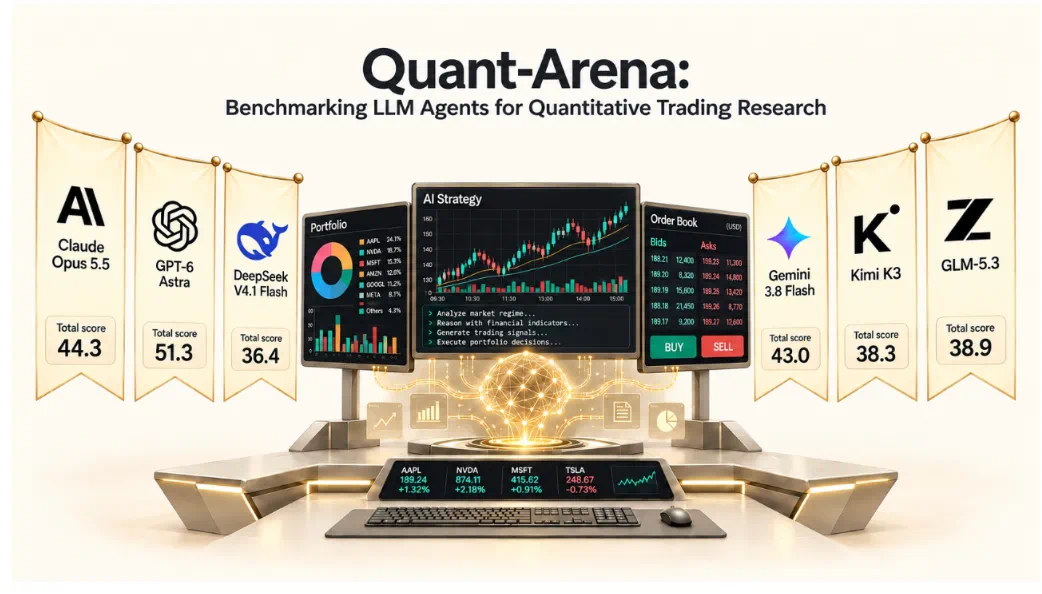
EinsiaAI's Navers Lab released Quant Arena, a benchmark testing nine models from six frontier model providers on A-share quantitative trading using real historical data from 2022-2023 and sealed 2024 market data. Only GPT series and Claude Opus 5.5 achieved profitability; the top scorer GPT-6 Astra posted 10.7% annualized return, below the 17.1% market benchmark. The study highlights that better market prediction does not necessarily translate into higher returns.
1 reports · 1 sources
News updates every hour. Subscribe in your RSS reader to get new stories automatically.
Subscribe