Open-source Laya model tops Hugging Face, beats cloud Jev in local decision speed
The open-source multilingual System 1 decision model Laya, dubbed 'open-source Jev', has topped Hugging Face's trending list. Community benchmarks show Laya outperforms cloud-based Jev in decision speed and latency on local devices, with tests reporting up to 20x faster median latency and 11x faster decision speed in specific scenarios.
Coverage timeline
机器之心机器之心
编辑|杨文 这几天,Jev 模型在开发者社区引发讨论。 有网友认为,Jev 看起来只是分类器,却具备零样本能力和接近前沿模型水平的智能。许多曾被忽略的传统机器学习思路,或许值得重新挖掘。 Karpathy 对此评论称,Jev 处在大语言模型帕累托最优曲线上的一个位置,满足了一类长期被低估的需求,这类任务不要求模型展开复杂思考,只需输出单个 token,在低延迟条件下完成足够可靠的判断。 Jev 走红后,一个名为 Laya 的模型也迅速受到关注。 Laya 是一款开源多语言 System 1 决策模型,基于文本输出概率完成分类和选择。网友将其称为「开源版 Jev」。 目前,Laya 登上 Hugging Face 热门榜,随后出现了多个本地部署版本。 Laya 几天内成为热门模型 Laya 的一个明显特点是支持本地运行。 社区项目 laya-mlx 将模型移植到 MLX,并进行了性能优化。 开发者介绍,模型在设备上运行时最高占用约 1GB 内存。在 M3 Max 上运行贪吃蛇,决策速度可达每秒 60 次。Core ML 版本在速度基本不变的情况下,功耗最高可降低 64%。 社区的一项对比测试使用 421M 版本 Laya 和云端 Jev 1.13.0,运行同一套 typed decision。 30 秒内,Laya 拿到 46 分,长度达到 52,平均每秒决策 86.5 次,P50 延迟约 9 毫秒;Jev 得分 1,长度 7,每秒决策 3.2 次,API 往返约 317 毫秒。 另一组 M5 Pro 测试显示,两者中位耗时分别为 15.3 毫秒和 298.1 毫秒,差距接近 20 倍。 在俄罗斯方块测试中,网友 atomic.chat 也称,Laya 在一台 16GB MacBook Air 上的决策速度约为云端 Jev 的 11 倍。 速度差异背后的部署取舍 这些结果首先反映了部署方式的差异。 Jev 每一步都要把请求发送到云端,再等待结果返回;Laya 直接在本地完成推理,不依赖网络。对于贪吃蛇、俄罗斯方块这类高频交互任务,几十到几百毫秒的延迟差距,足以改变最终表现。 网友调侃称,「上线三天的开源 Laya 击败发展两三年的 Jev」、「Jev 的护城河只维持了两天」。 Jev 和 Laya,展示了大模型竞争中的另一条路径,行业关注的不只有更长的思考和更复杂的推

Related stories
TypeSafe AI Raises ~$870M at $7.5B Valuation Led by a16z
TypeSafe AI, the startup behind the viral Jev model, has raised approximately $870 million in a funding round led by Andreessen Horowitz (a16z), with participation from Sequoia and others. The round values the company at $7.5 billion, just weeks after Jev's launch.
1 reports · 1 sources
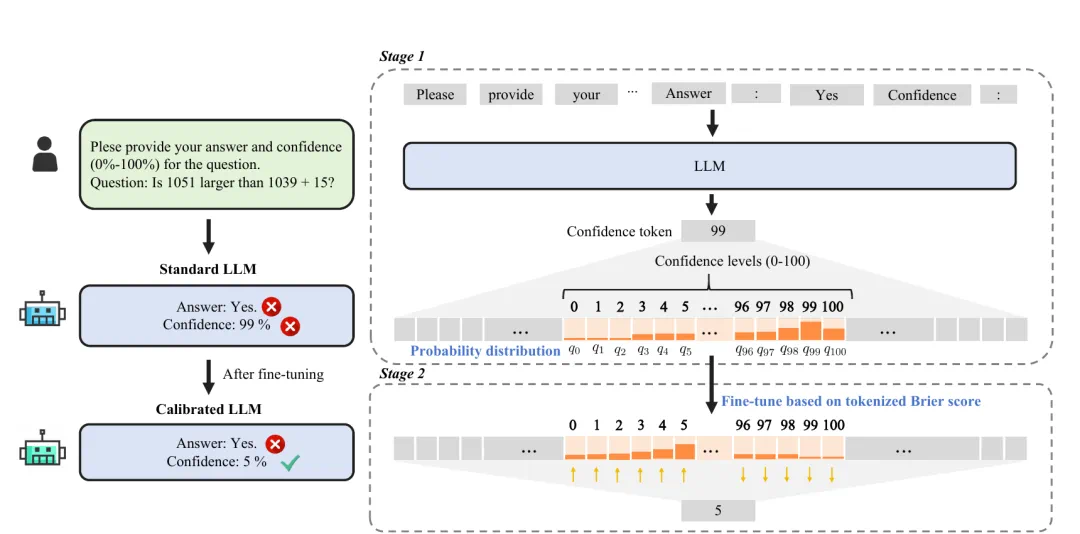
TypeSafe AI's Jev model draws attention; NeurIPS 2025 ConfTuner explored similar probability calibration
TypeSafe AI's Jev model, which outputs decisions plus probabilities from input states, has gained attention for its focus on probability calibration. Coverage highlights its conceptual alignment with the NeurIPS 2025 paper ConfTuner, whose Tokenized Brier Score method trains the probability distribution over candidate confidence tokens to better reflect true accuracy. Jev is not open-sourced, and its architecture and training details remain undisclosed.
1 reports · 1 sources
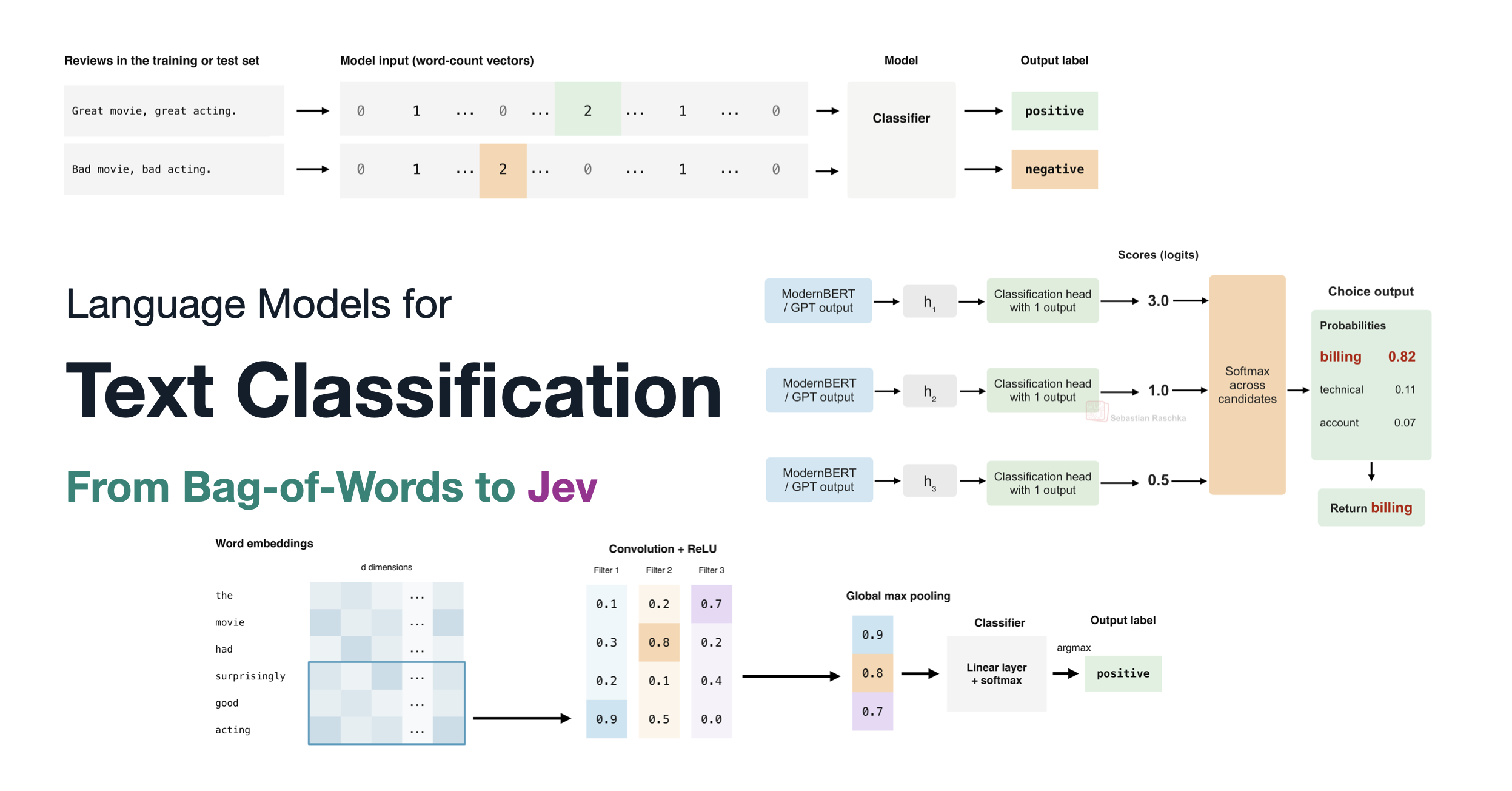
Raschka: Jev AI Text Classifier Impresses Despite Initial Skepticism
In an essay, Sebastian Raschka discusses the recently released Jev AI model, a text classifier that has gained attention in technical communities over the past two weeks. He describes his evolving view from dismissive to impressed, noting Jev's speed and cost advantages over general-purpose LLMs for classification tasks, while acknowledging it may not outperform special-purpose classifiers on narrow problems.
1 reports · 1 sources
TypeSafe AI's Jev 'System One' model gains traction as agent evaluator
TypeSafe AI unveiled Jev, a 'System One' model that outputs typed probabilistic decisions instead of text, and it has quickly gained traction in AI developer communities. LangChain published a Jev-as-a-Judge experiment on September 20 testing it as an agent evaluator, and related posts have drawn 37 million views. Jev supports three judgment types—Noul, Choice, and Score—and is priced at $0.042 per million input tokens with free output.
2 reports · 2 sources52 points · 20 comments
News updates every hour. Subscribe in your RSS reader to get new stories automatically.
Subscribe