AI Science Startup Physical Superintelligence Proves Quantum Computing Conjecture
Physical Superintelligence, an AI science startup, proved a longstanding quantum computing conjecture, according to Import AI 480. The conjecture, open since 2008 by Scott Aaronson and Andris Ambainis, concerns when quantum computers can be exponentially faster than ordinary ones. The proof was found by an internal research system running a non-public Anthropic model.
Coverage timeline
Import AI (Jack Clark)Jack Clark
Welcome to Import AI, a newsletter about AI research. Import AI runs on arXiv, cappuccinos, and feedback from readers. If you’d like to support this, please subscribe. Subscribe now AI Science startup converts a quantum conjecture into a theorem: …An evocative taste of the singularity… In the same way a few years ago it went from remarkable to unremarkable to see computers gain the ability to identify objects in images, we’re now in an era where it’s rapidly going from remarkable to unremarkable for computers to extend the bounds of human knowledge. The latest example comes from Physical Superintelligence, an AI science startup which has proved a longstanding quantum computing conjecture. What they did: “Open since 2008, the conjecture of Scott Aaronson and Andris Ambainis concerns when quantum computers can be exponentially faster than ordinary ones. Now, a research system developed internally at Physical Superintelligence (PSI), running a non-public Anthropic model, found a proof for

Related stories
Import AI Editor Tells IMF Audience the Singularity Has Begun
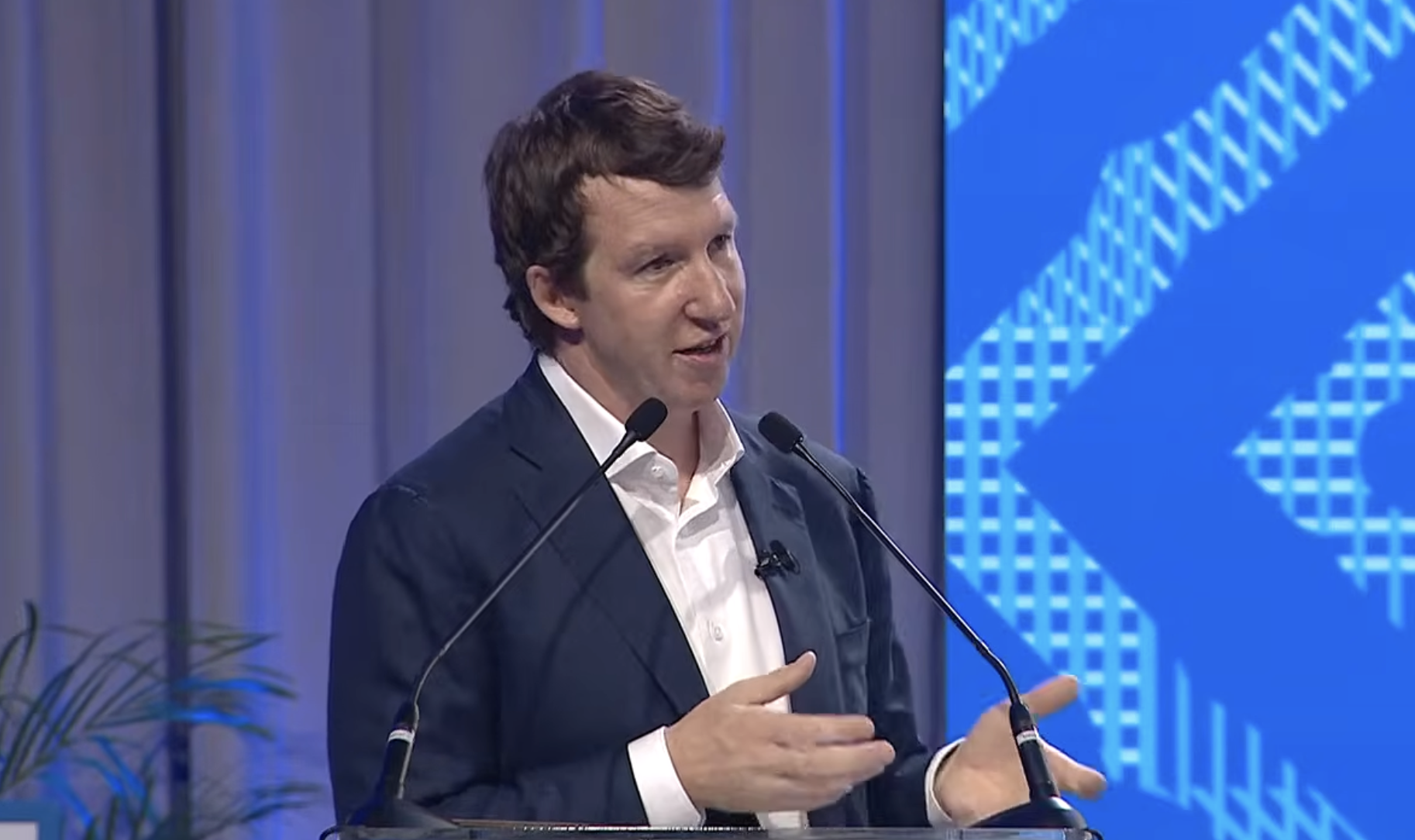
Jack Clark, editor of the Import AI newsletter, delivered the Per Jacobsson lecture at the IMF meeting in Bangkok on October 17, 2026, arguing that AI's autonomous operation at the frontier of science signals the early stages of the singularity. He urged economists, bankers, and policymakers to expect significant, rapid change and focused on how humanity can share in AI's benefits with foresight and restraint.
UCSB and Microsoft Propose ScholarEvolve for AI Agents to Read Papers and Self-Modify Code
Researchers from UC Santa Barbara and Microsoft introduced ScholarEvolve, a method that automates the research process of reading literature, implementing algorithms, and evaluating results to enable AI agents to evolve their harness code without modifying underlying model parameters. The approach addresses the limitation of prior coding-agent-based harness optimization, which relied on the agent's existing knowledge and observed failures, by allowing agents to draw on the latest academic findings. The paper and code are publicly available.
2 reports · 1 sources

Import AI 478: Alignment math formalization, ProgramBench, RSI demo
Import AI 478 covers AI safety startup Resolution's autoformalization of mathematical statements in statistical learning theory, including the resolution of singularities, aimed at laying groundwork for automated research into loss landscape geometry and generalization. The newsletter also features ProgramBench and a demonstration by Mirendil illustrating recursive self-improvement (RSI).
METR: Anthropic models improving twice as fast, AI use drives ~80% of acceleration
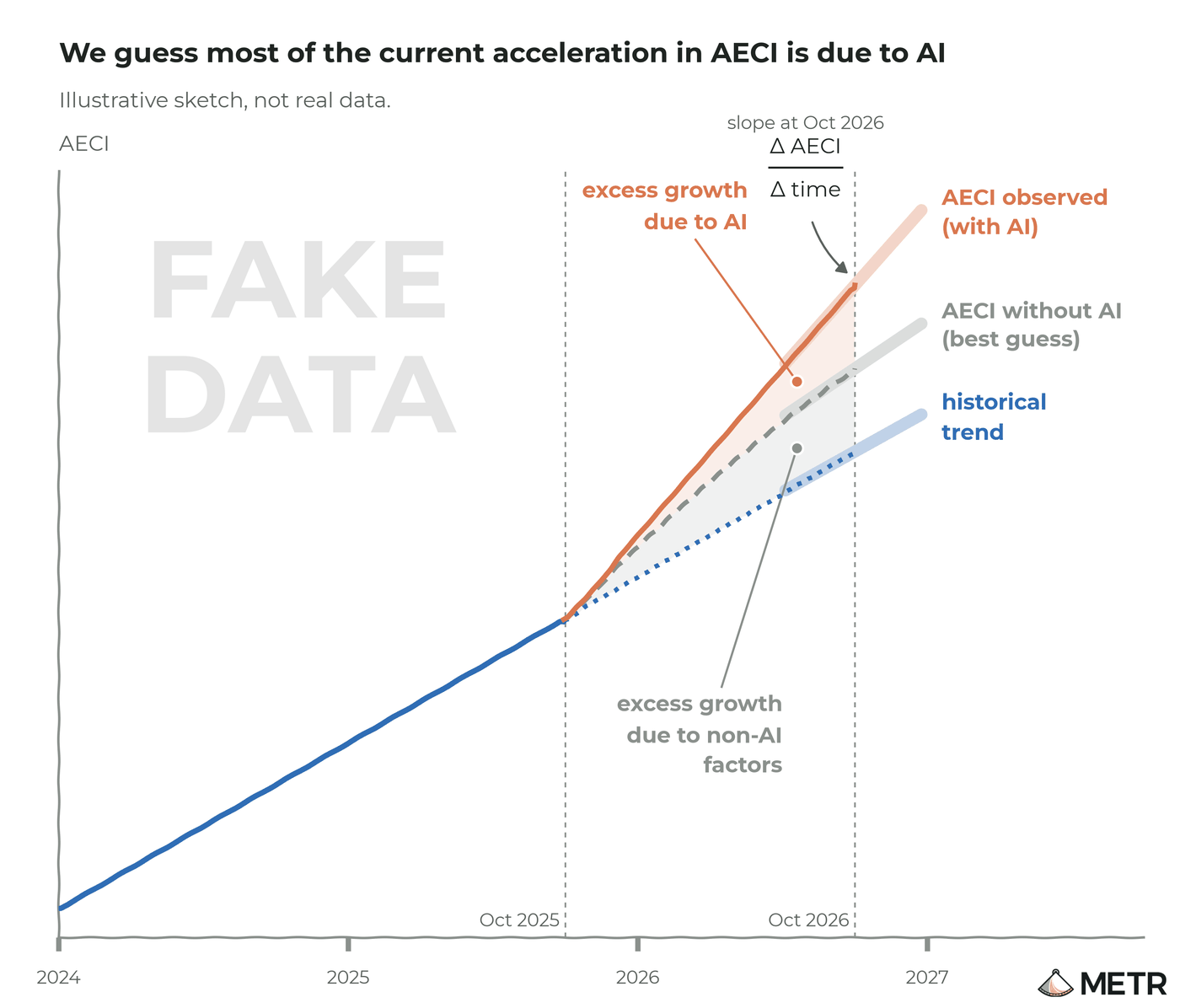
A METR report, based on an 11-week internal assessment at Anthropic, finds model capability progress roughly doubled since October 2025, with AI-assisted research driving about 80% of the acceleration. The report also reveals three unreleased internal models (Model 2, 3, 4), with the strongest exceeding Opus 5.5 by about three months of progress. Anthropic redacted much of the most informative evidence from the public version, citing confidentiality concerns.
6 reports · 5 sources47 points · 6 comments
News updates every hour. Subscribe in your RSS reader to get new stories automatically.
Subscribe