OpenAI's AI Models Tackle Erdős Problems, Sparking Debate in Mathematics
OpenAI's AI models have made breakthroughs on problems posed by mathematician Paul Erdős, including disproving a 1946 conjecture and solving additional problems with the Astra model. These developments have sparked an existential crisis in the mathematics community, with leading mathematicians debating the implications for the field.
Coverage timeline
机器之心机器之心
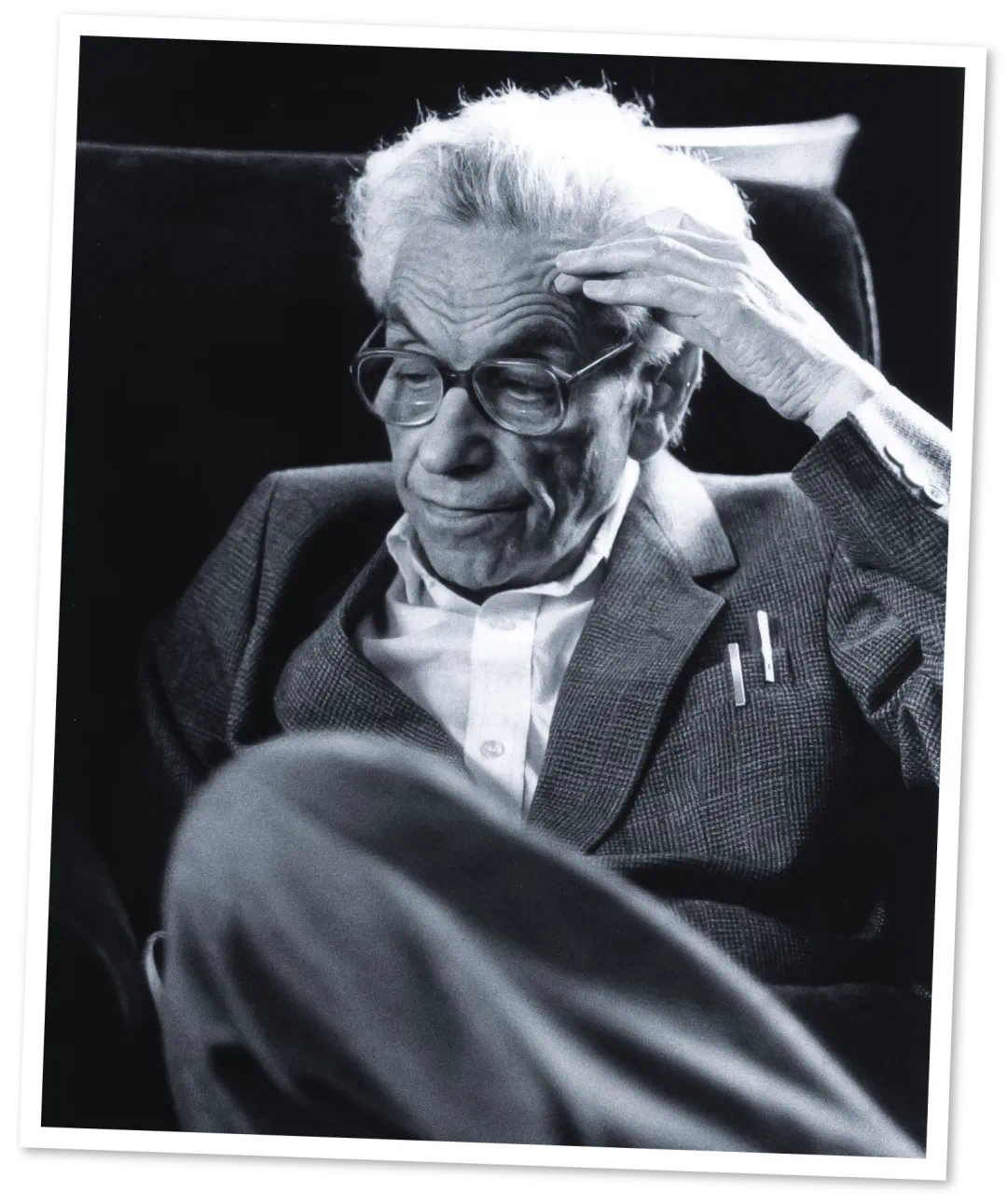
2026 年 5 月 20 日,OpenAI 发了一条公告,震动了整个数学界。 他们一个还没公开的 AI 模型,推翻了匈牙利数学家 Paul Erdős 在 1946 年提出的一个猜想。这是 AI 第一次产出具有历史意义的数学证明 —— 而且不是在什么边缘问题上凑数,是在一个困扰了数学界 80 年的经典问题上,找到了一个没有人想到的反例(参见《 AI首次证明数学核心猜想:80年的经典难题,被OpenAI搞定了 》)。 几周之内,人类数学家基于 AI 的思路做出了进一步改进。几天之内,相关技术就被用来解决其他重要问题。 8 月 1 日,OpenAI 又宣布:他们一个叫 Astra 的模型,一口气拿下了 10 项数学进展,其中包括 Erdős 提出的另外三个问题的解答(参见《 OpenAI刚曝光的下一代Astra,拿下10项开放问题新突破,成本仅2000美元 》)。 普林斯顿大学的 Noga Alon—— 一个在几十年职业生涯中亲手解决过几十个 Erdős 问题的数学家 —— 说,这些模型「正在极大地改变数学研究的方式。」 如果你不熟悉 Erdős 是谁,这一切听起来可能只是「AI 又赢了一次」。但 为什么偏偏是他的问题,成了全球最强 AI 公司的核心竞技场? 要理解这件事,得先从 Erdős 这个人说起。 (注:本文改写自《量子杂志》,文末附原文链接) 一个拎着手提箱的怪人 Paul Erdős 是历史上最多产的数学家之一。他一生发表了超过 1500 篇论文,和 500 多位合作者一起工作过。 但他最特别的不是数量,而是生活方式。 他没有固定住所,没有固定工作,几乎一无所有。他拎着一只手提箱,在朋友家里蹭住,从一个大学漂到另一个大学,走到哪算哪。他把大部分收入捐了出去,财务由一位朋友帮忙打理。 他只穿丝绸。他避免和人身体接触。他对权威深感不信任,把上帝称为「最高法西斯」(Supreme Fascist)。他用持续的安非他命摄入来驱动自己源源不断的数学产出。 他还有个习惯:到处抛出数学问题。在论文里、在信里、在闲聊中,他会随手写下一个问题,然后在旁边标注一个金额 ——10 美元、25 美元,有时候几千美元。第一个解决问题的人可以拿到这笔钱。他自掏腰包。 1996 年,Erdős 在华沙参加一个数学会议时因心脏病发作去世。但他的问题没有死。爱荷华州的一个非营利基金会承诺继
The Verge AINilay Patel
Today on Decoder , I’m talking with Robert Hart, The Verge ’s London-based AI reporter, about what AI is doing to the field of mathematics and the existential crisis many lead mathematicians are having about it. OpenAI just published a set of solutions to longstanding problems in math that went off like a bombshell in the field. It caused a huge debate in the math community, and Rob spent some time talking to some of the most accomplished mathematicians of our time about it. It’s funny that AI systems are all still pretty bad at elementary school arithmetic, but getting increasingly good at very high-end abstract math. That raises some big questions for the field of advanced math. If AI can do math of this caliber, does that mean AI labs can transfer those skills to other domains? What good are academic grants and university programs training new generations of human mathematicians to identify new problems as they try to solve existing ones, if frontier models simply answer all the out
